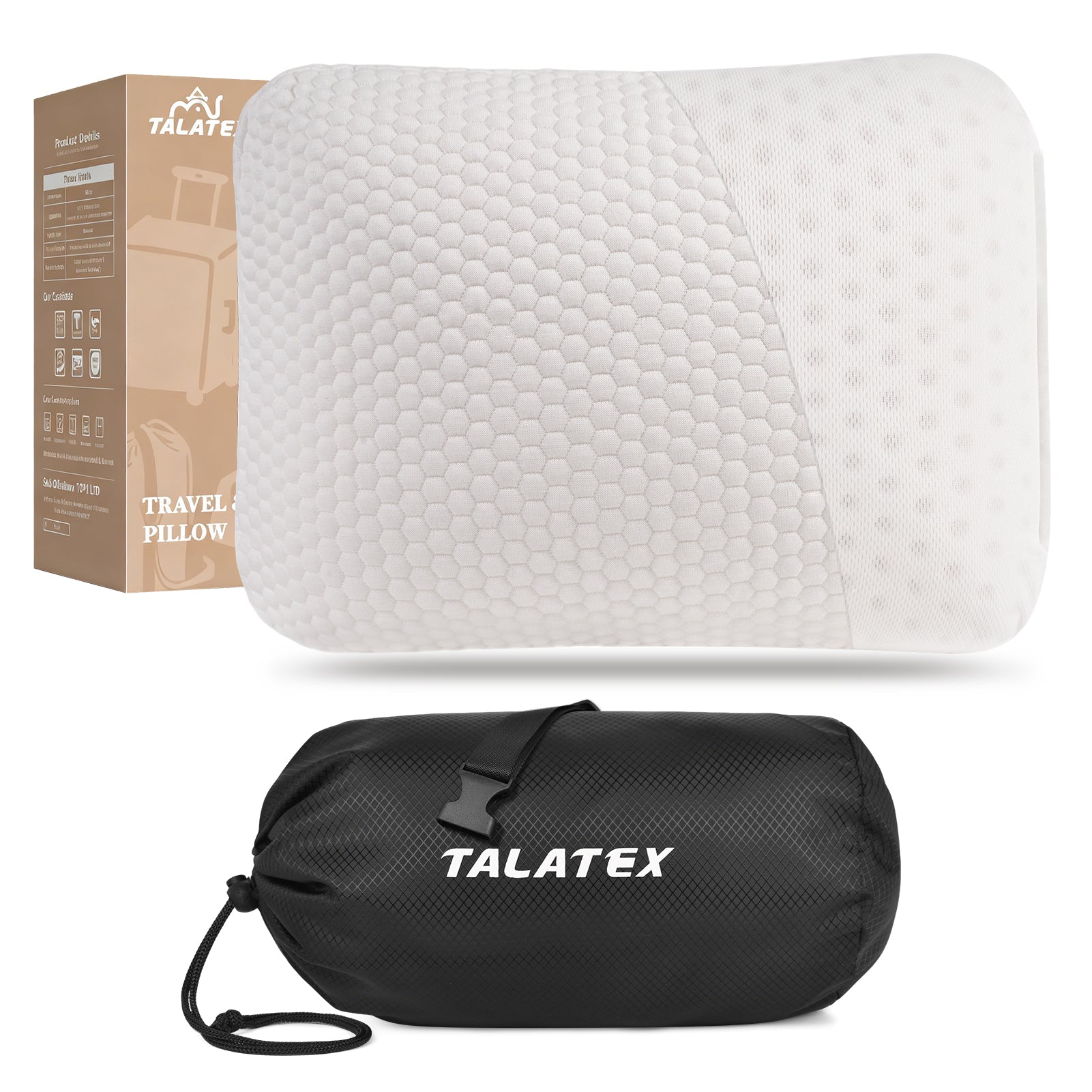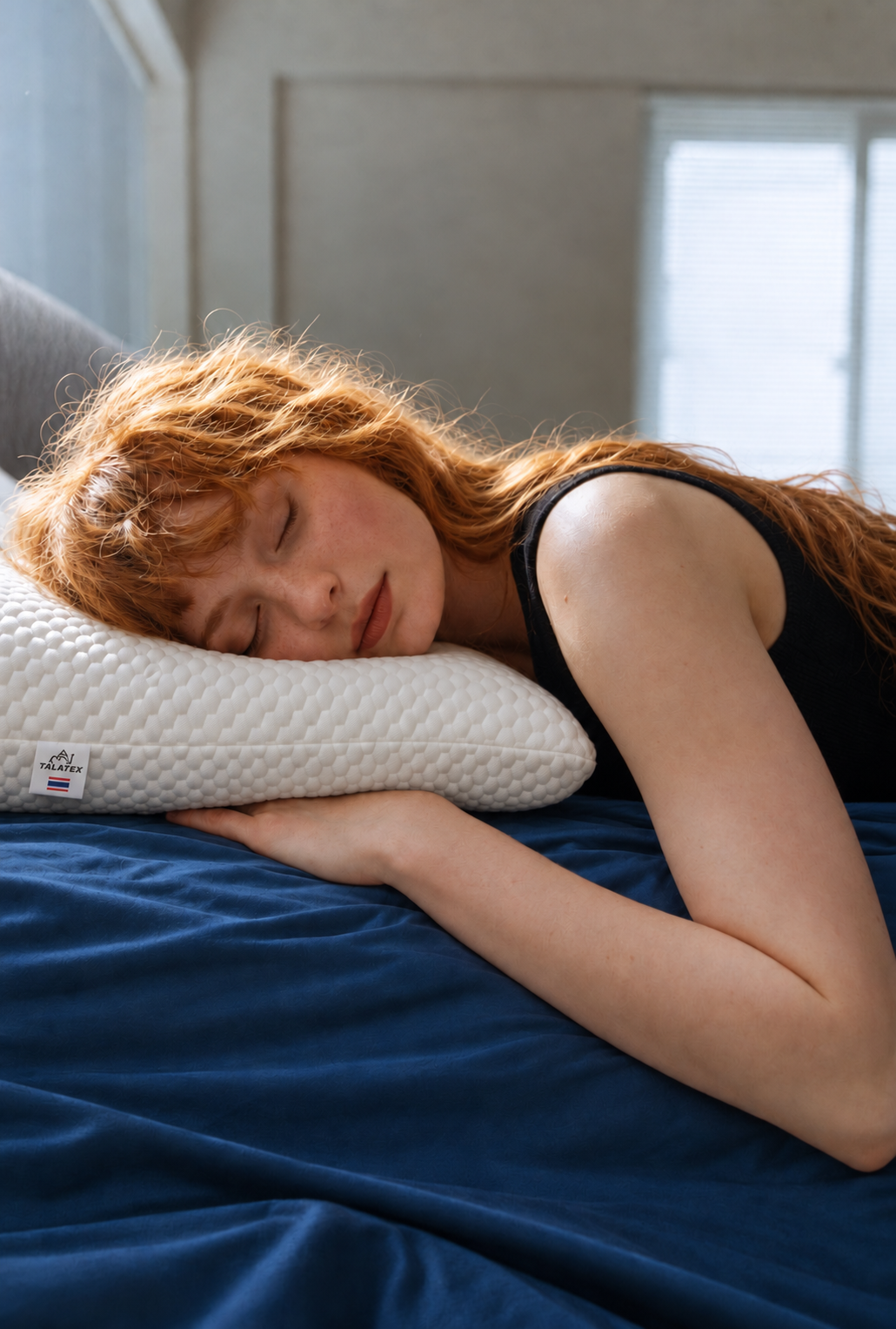









Was ist Latex?
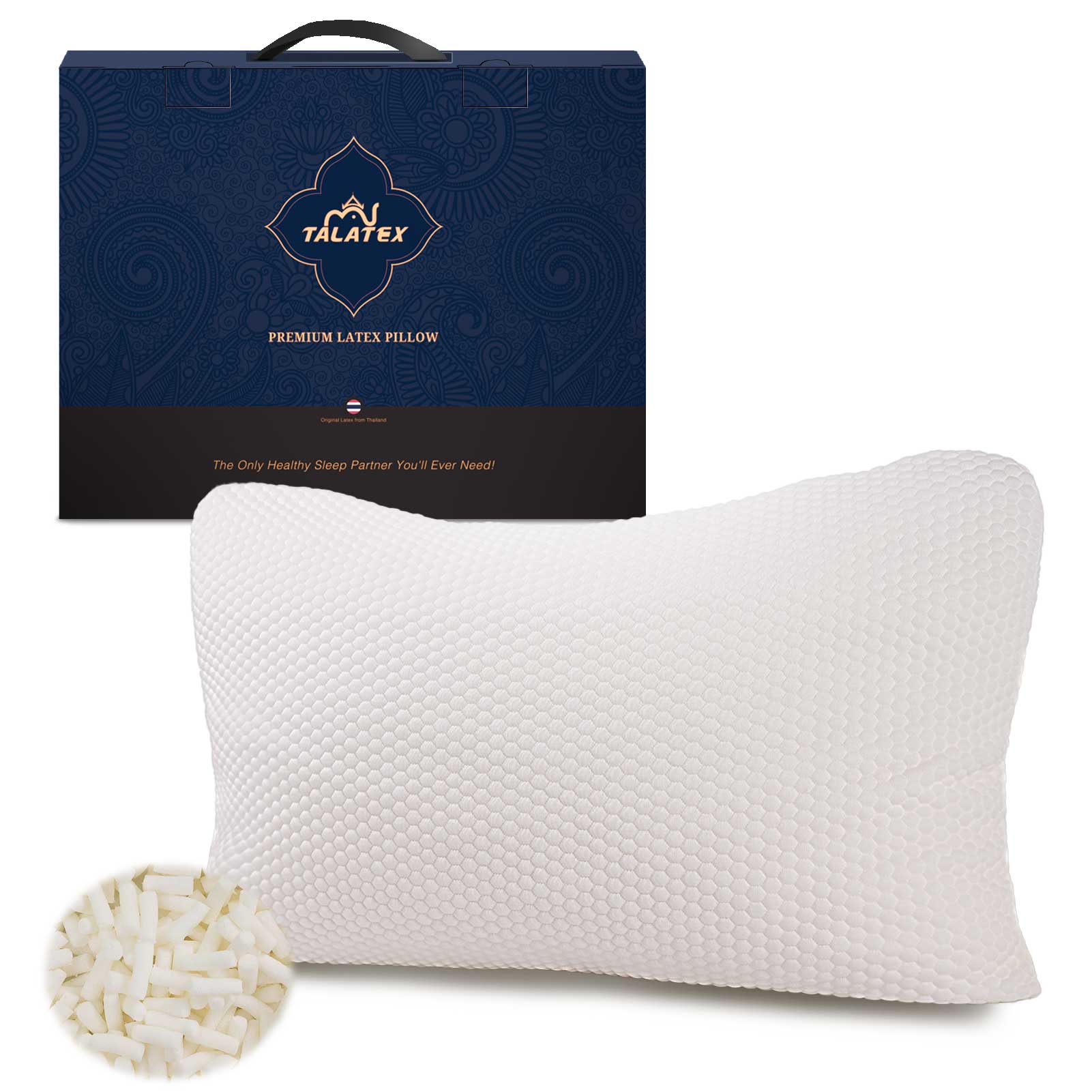
Latex ist eine milchige Flüssigkeit, die aus Gummibäumen gewonnen wird. Der Saft wird durch Anzapfen des Baumes gesammelt und zu Latexschaum verarbeitet. Dieser Schaum kann zu einer Vielzahl von Produkten verarbeitet werden, darunter Matratzen, Kissen und andere Bettwaren.
Es gibt zwei Hauptarten von Latex, die in Kissen verwendet werden: Naturlatex und Synthetiklatex.
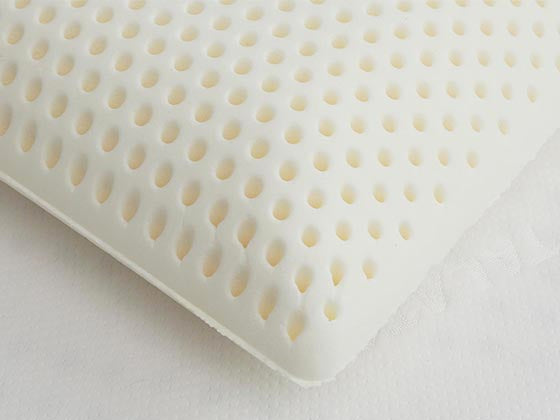
Naturlatex: Aus dem Saft von Gummibäumen gewonnen, ist Naturlatex biologisch abbaubar und umweltfreundlich. Er besteht aus einem Netzwerk winziger, miteinander verbundener Luftbläschen, die ihn elastisch und atmungsaktiv machen. Talalay und Dunlop sind die beiden gängigsten Verfahren zur Herstellung von Naturlatexschaum.
Synthetiklatex: Dieser wird aus petroleumbasierten Chemikalien hergestellt und ahmt die Eigenschaften von Naturlatex nach, ist aber kostengünstiger. Synthetiklatex kann zwar für Kissen verwendet werden, ihm fehlt jedoch die Haltbarkeit, Atmungsaktivität und Umweltfreundlichkeit von Naturlatex.
Naturlatex wird in der Regel als die bessere Option angesehen, insbesondere für diejenigen, die umweltbewusst sind und ein Kissen wünschen, das langfristigen Komfort und Unterstützung bietet.
Was sind die Vor- und Nachteile von Latex?
Latex ist aufgrund seiner vielen Vorteile zu einer beliebten Wahl für Kissen geworden. Im Gegensatz zu anderen Materialien bietet Latex eine feste Unterstützung und ist gleichzeitig flexibel genug, um sich den Konturen von Kopf und Nacken anzupassen. Dies macht es ideal für die Aufrechterhaltung einer korrekten Wirbelsäulenausrichtung.
1. Komfort und Unterstützung:
Latexkissen bieten eine einzigartige Mischung aus Weichheit und Unterstützung. Sie sind fest genug, um ihre Form zu behalten, und dennoch flexibel genug, um Komfort zu bieten. Die Elastizität von Latex ermöglicht es, auf Druck und Gewicht zu reagieren, wodurch sich das Kissen der natürlichen Form von Kopf und Nacken anpasst und die ganze Nacht über hervorragende Unterstützung bietet.
2. Haltbarkeit:
Einer der Hauptvorteile von Latex ist seine Langlebigkeit. Im Gegensatz zu Memory Foam oder Daunenkissen verliert Latex seine Form nicht mit der Zeit. Es bleibt jahrelang elastisch und ist somit eine langlebige Investition für alle, die ein Kissen suchen, das nach Monaten des Gebrauchs nicht durchhängt oder abflacht.
3. Atmungsaktivität:
Latex besitzt eine natürlich offenzellige Struktur, wodurch Luft ungehindert durch das Material strömen kann. Diese Atmungsaktivität hilft, die Temperatur zu regulieren und sorgt dafür, dass das Kissen die ganze Nacht über kühl und trocken bleibt. Für Menschen, die dazu neigen, im Schlaf zu schwitzen, sind Latexkissen eine ausgezeichnete Wahl, da sie dazu beitragen, Hitzestau zu verhindern.
4. Hypoallergen:
Latex ist von Natur aus resistent gegen Hausstaubmilben, Schimmel und Bakterien. Das macht es zu einer ausgezeichneten Option für Menschen mit Allergien oder Atemwegsproblemen. Da Latexkissen resistent gegen Allergene sind, tragen sie dazu bei, eine sauberere und gesündere Schlafumgebung zu schaffen.
5. Umweltfreundlich:
Ein weiterer Grund, warum Latex in Kissen so beliebt ist, ist seine Umweltfreundlichkeit. Naturlatex ist biologisch abbaubar und wird aus nachwachsenden Gummibäumen gewonnen. Durch die Wahl von Latexkissen können Verbraucher ihre Umweltbelastung reduzieren und eine nachhaltigere Schlaflösung genießen.
Nachteile von Latex
1. Festigkeit:
Latex kann fester sein als andere Kissenmaterialien wie Memory Foam oder Daunen. Während dies für manche Menschen, die zusätzliche Unterstützung benötigen, ein Vorteil ist, empfinden es andere möglicherweise als zu fest oder weniger anpassungsfähig.
2. Allergiebedenken:
Obwohl selten, können einige Personen allergisch auf Latex reagieren. Wenn Sie allergisch auf Latex sind, sollten Sie Latexkissen gänzlich meiden.
3. Anfangsgeruch:
Wie viele Naturprodukte kann Latex beim Auspacken einen leichten Gummigeruch aufweisen. Dieser Geruch verflüchtigt sich normalerweise nach einigen Tagen in einem gut belüfteten Raum, kann aber für empfindliche Personen unangenehm sein.
4. Kosten:
Hochwertige Naturlatexkissen sind tendenziell teurer als synthetische Alternativen, was nicht in jedes Budget passt.
Warum wird Latex in Kissen verwendet?
Latex wird aus mehreren wichtigen Gründen in Kissen verwendet:
1. Druckentlastung:
Die Elastizität von Latex bietet eine hervorragende Druckentlastung, sodass sich das Kissen den Konturen von Kopf und Nacken anpasst, ohne sich zu weich anzufühlen oder zu tief einzusinken.
2. Fester Halt:
Latexkissen behalten ihre Form und bieten festen Halt, was besonders wichtig für Seitenschläfer oder Personen mit Nackenschmerzen ist.
3. Hypoallergen:
Latexkissen sind von Natur aus resistent gegen Allergene wie Hausstaubmilben und Schimmel, was sie zu einer ausgezeichneten Wahl für Allergiker macht.
4. Umweltfreundlich:
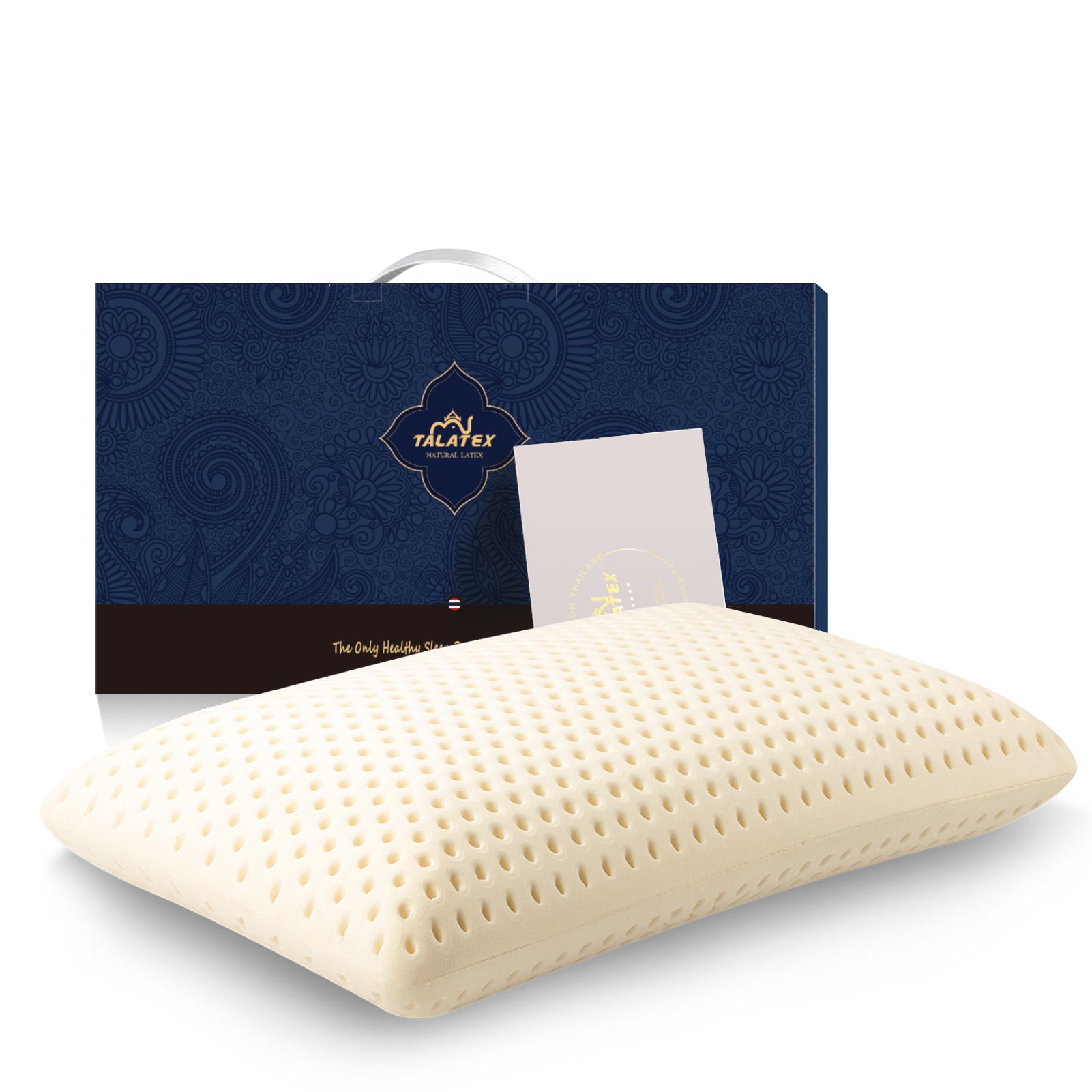
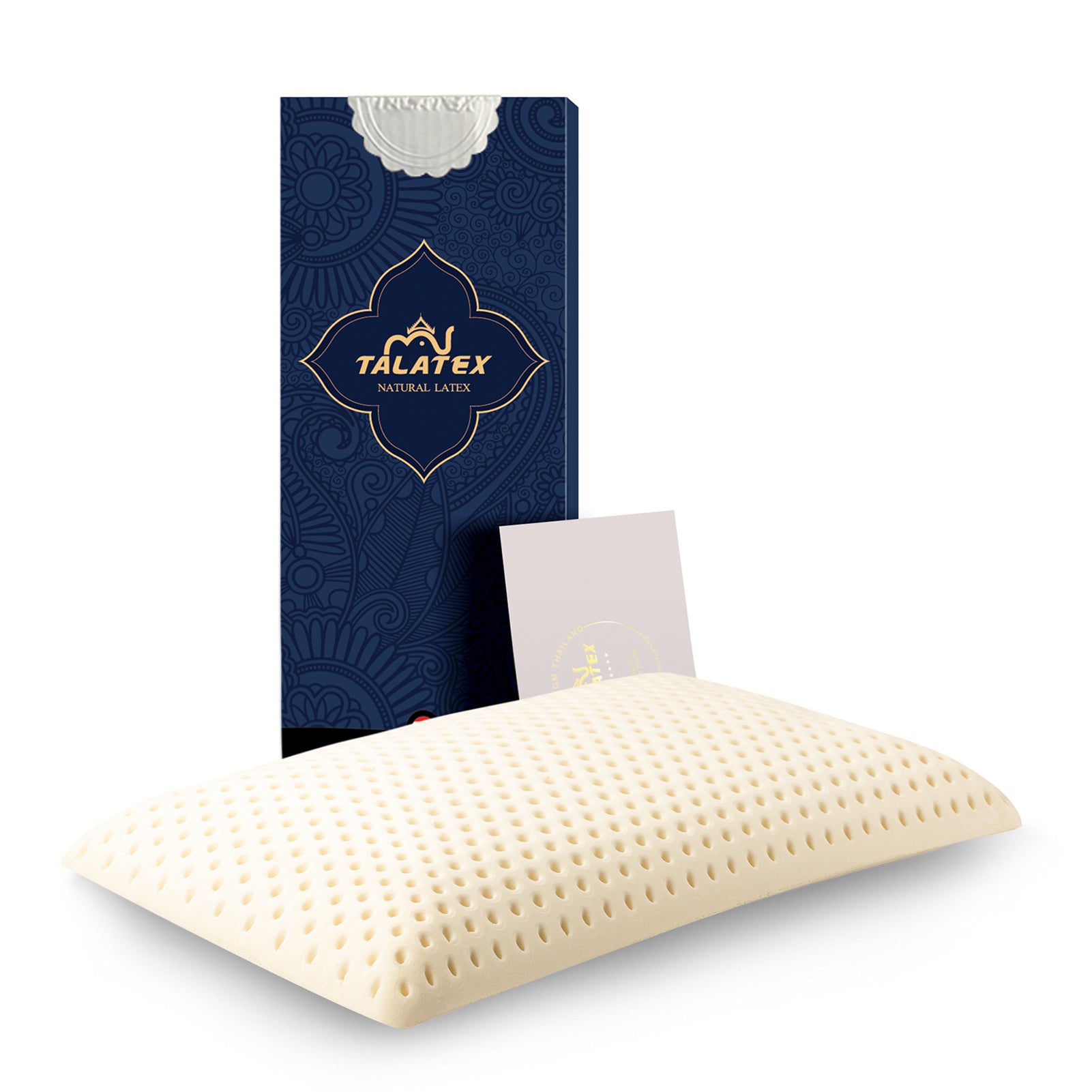
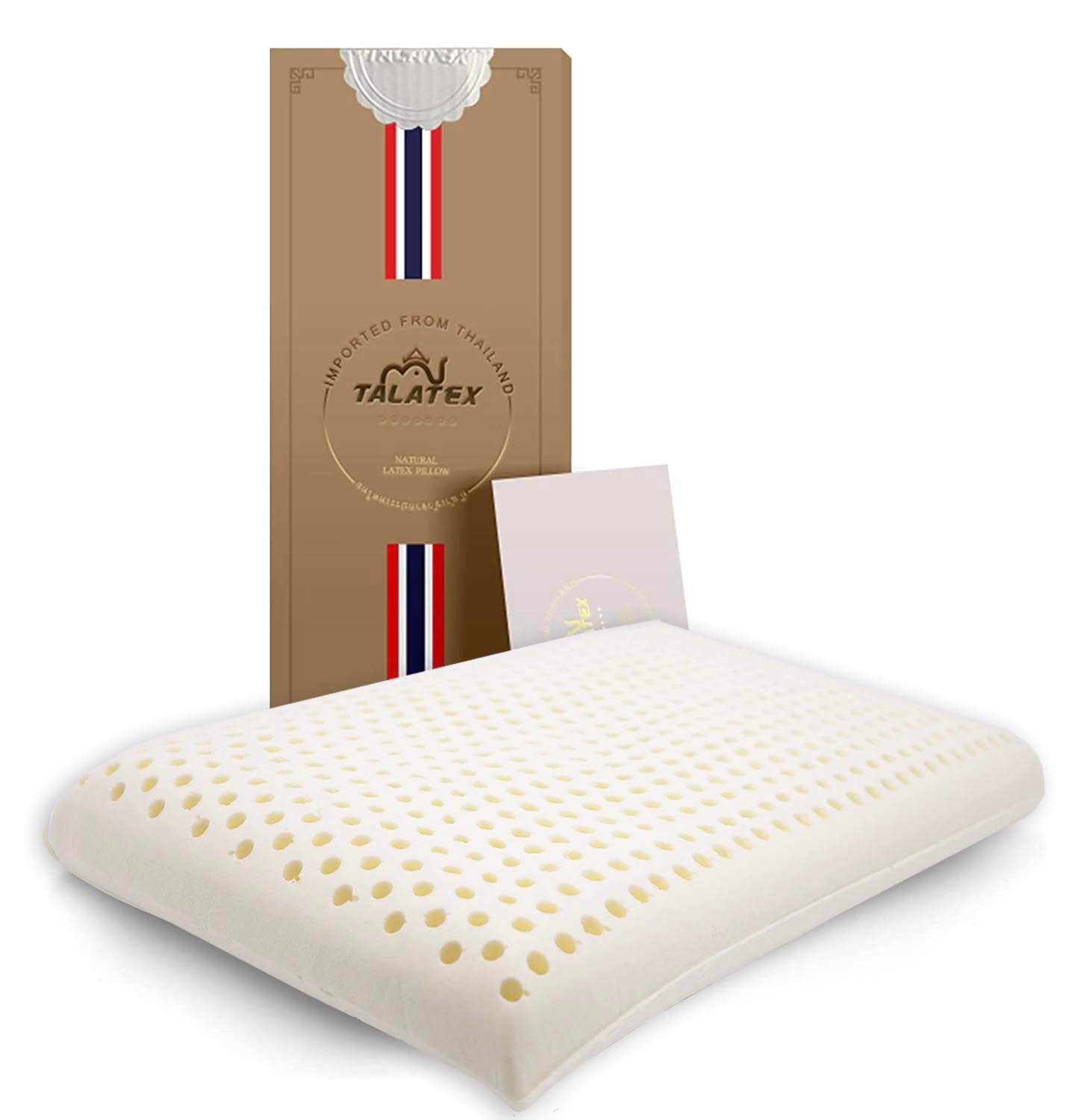
Talatex verpflichtet sich der Nachhaltigkeit und stellt sicher, dass unsere Latexprodukte aus 100 % Naturlatex gefertigt werden, frei von schädlichen Chemikalien. Dies entspricht unserem Ziel, Ihnen eine umweltfreundliche, gesunde Schlaflösung zu bieten.
Der Ansatz von Talatex bei Latexprodukten
Bei Talatex glauben wir, dass die Schlafqualität mit der Reinheit der Natur beginnt. Deshalb verwenden wir ausschließlich 100 % Naturlatex, der aus Gummibäumen gewonnen wird. Unsere Latexkissen sind darauf ausgelegt, ein optimales Gleichgewicht zwischen Komfort und Unterstützung zu bieten, um einen erholsamen und belebenden Schlaf zu ermöglichen.
Wir verstehen, dass jeder Mensch individuelle Schlafbedürfnisse hat. Deshalb bieten wir Latexkissen in verschiedenen Härtegraden an. Ob Sie ein weicheres Kissen für zusätzlichen Komfort oder ein festeres Kissen zur Nackenstütze bevorzugen, unsere Produkte sind so gefertigt, dass sie einer Vielzahl von Vorlieben gerecht werden und sicherstellen, dass jeder die Vorteile von Naturlatex genießen kann.
Wer sollte Latexkissen verwenden?
Latexkissen eignen sich aufgrund ihrer einzigartigen Kombination aus Unterstützung, Komfort und Haltbarkeit für eine Vielzahl von Schläfern. Einige Personen könnten jedoch mehr von Latexkissen profitieren als andere.
1. Seitenschläfer:
Seitenschläfer benötigen oft ein Kissen, das Nacken und Schultern stützt und gleichzeitig die Wirbelsäule ausrichtet. Latexkissen bieten die feste, aber flexible Unterstützung, die Seitenschläfer benötigen, um eine korrekte Nackenausrichtung zu gewährleisten, was sie zu einer ausgezeichneten Wahl für diese Schlafposition macht.
2. Rückenschläfer:
Für Rückenschläfer ist ein mittelfestes Kissen ideal zur Unterstützung der natürlichen Nackenkrümmung. Talalay-Latex bietet ein komfortables Gleichgewicht aus Unterstützung und Weichheit, wodurch Rückenschläfer ohne Nackenschmerzen gut schlafen können.
3. Menschen mit Nackenschmerzen:
Latexkissen sind eine ausgezeichnete Wahl für Menschen mit Nackenschmerzen, da sie eine feste, unterstützende Polsterung bieten, die hilft, Druck zu entlasten und eine korrekte Ausrichtung zu fördern. Die Elastizität von Latex stellt sicher, dass das Kissen unter Gewicht nicht zusammenfällt, was Nackenprobleme verschlimmern kann.
4. Umweltbewusste Verbraucher:
Diejenigen, die nachhaltige, umweltfreundliche Produkte suchen, werden die natürlichen, biologisch abbaubaren Eigenschaften von Latex zu schätzen wissen. Latexkissen sind eine ausgezeichnete Wahl für alle, denen die Umweltauswirkungen ihrer Einkäufe am Herzen liegen.
5. Allergiker:
Latex ist von Natur aus resistent gegen Hausstaubmilben, Schimmel und Bakterien, was es zu einer idealen Option für Menschen mit Allergien macht. Wenn Sie an Asthma oder anderen Atemwegserkrankungen leiden, können Latexkissen dazu beitragen, eine sauberere, gesündere Schlafumgebung zu schaffen.
Wer sollte Latexkissen meiden?
Wenn Sie eine Latexallergie haben, ist es unerlässlich, Latexkissen zu vermeiden. Menschen mit einer schweren Latexallergie können allergische Reaktionen erfahren, wenn sie mit Naturkautschukprodukten in Kontakt kommen. In solchen Fällen sollten alternative Kissen aus Materialien wie Memory Foam oder Kunstfasern in Betracht gezogen werden.
Warum Latex oft als besser als Memory Foam angesehen wird
Beim Vergleich von Kissenmaterialien sind Latex und Memory Foam zwei der gängigsten Optionen. Beide bieten Unterstützung und Druckentlastung, verhalten sich aber im Schlaf sehr unterschiedlich.
Memory Foam Kissen wurden populär, weil sie sich eng an die Kopfform anpassen. Latex bietet jedoch mehrere Vorteile, die es für viele Schläfer zu einem bevorzugten Material machen, insbesondere für diejenigen, die Atmungsaktivität, Haltbarkeit und natürliche Materialien schätzen.
Latex hat eine reaktionsschnelle, elastische Struktur, was bedeutet, dass es Kopf und Nacken sanft stützt, ohne Sie in einer Position festzuhalten. Memory Foam hingegen neigt dazu, tief einzusinken und langsam zurückzufedern, was einige Schläfer als einschränkend empfinden.
Ein weiterer wichtiger Unterschied ist die Temperaturregulierung. Latex ermöglicht von Natur aus eine bessere Luftzirkulation, wodurch Schläfer die ganze Nacht über kühler bleiben.
Um die Unterschiede besser zu verstehen, hier ein einfacher Vergleich:
|
Merkmal |
Latexkissen |
Memory Foam Kissen |
|
Materialquelle |
Natürlicher Gummibaumsaft |
Erdölbasierter Schaum |
|
Unterstützung |
Reaktionsschnell und elastisch |
Tief konturierende Unterstützung |
|
Atmungsaktivität |
Hoher Luftstrom, kühlerer Schlaf |
Häufige Wärmespeicherung |
|
Haltbarkeit |
Hält oft 8–15 Jahre |
Hält typischerweise 3–5 Jahre |
|
Umweltfreundlichkeit |
Natürlich und biologisch abbaubar |
Synthetische Materialien |
|
Schlafposition |
Gut für Seiten- und Rückenschläfer |
Oft geeignet für konturierenden Komfort |
Aufgrund dieser Eigenschaften werden Latexkissen oft von Schläfern gewählt, die natürliche Materialien, kühleren Schlaf und lang anhaltende Unterstützung bevorzugen.
Talalay vs. Dunlop Latex: Welches ist das Richtige für Sie?
Sowohl Talalay- als auch Dunlop-Latex sind beliebte Arten von Latexschaum, die in Matratzen und Kissen verwendet werden. Obwohl beide aus dem gleichen Naturmaterial hergestellt werden, unterscheiden sich ihre Herstellungsprozesse, was zu unterschiedlichen Eigenschaften führt, die verschiedenen Vorlieben entgegenkommen können.
Talalay-Latex:
Der Talalay-Prozess ist komplexer als der Dunlop-Prozess. Er umfasst zusätzliche Schritte, wie das Vakuumversiegeln und Schockgefrieren des Latexs, um einen leichteren, luftigeren Schaum zu erzeugen. Talalay-Latex ist bekannt dafür, weicher und atmungsaktiver zu sein als Dunlop-Latex.
Eigenschaften von Talalay-Latex:
· Leichteres und weicheres Gefühl
· Höhere Atmungsaktivität und kühlende Wirkung
· Gleichmäßige Festigkeit über die gesamte Oberfläche
Talalay-Latex ist ideal für diejenigen, die ein weicheres, reaktionsfähigeres Kissen bevorzugen, das sich der Form ihres Kopfes und Nackens anpasst und gleichzeitig eine hervorragende Unterstützung bietet. Es ist eine großartige Option für Menschen, die ein weiches und dennoch stützendes Kissen wünschen.
Dunlop-Latex:
Der Dunlop-Prozess ist einfacher und umfasst weniger Schritte. Infolgedessen ist Dunlop-Latex tendenziell dichter und fester als Talalay-Latex. Diese Art von Latex ist besonders beliebt in Matratzen, die mehr Festigkeit und Unterstützung erfordern.
· Eigenschaften von Dunlop-Latex:
· Festeres Gefühl und stärkere Unterstützung
· Weniger atmungsaktiv als Talalay-Latex
· Dicht und langlebig
Dunlop-Latex ist großartig für Menschen, die ein festeres Kissen mit mehr Unterstützung bevorzugen. Es ist besonders gut geeignet für Rückenschläfer oder Seitenschläfer, die mehr Nackenstütze benötigen.
Vergleichstabelle: Talalay vs. Dunlop:
|
Faktor |
Dunlop-Latex |
Talalay-Latex |
|
Dichte |
Dichterer, festerer Schaum |
Leichterer, weicherer Schaum |
|
Gefühl |
Solideres, festeres Gefühl |
Plüschigeres und reaktionsfähigeres Gefühl |
|
Herstellungsprozess |
Einfachere, einstufige Vulkanisation |
Komplexer, vakuumversiegelt und schockgefroren |
|
Luftzirkulation |
Weniger atmungsaktiv |
Atmungsaktiver, bessere Luftzirkulation |
|
Eignung |
Ideal für diejenigen, die festeren Halt bevorzugen |
Am besten für diejenigen, die Weichheit und plüschigen Komfort suchen |
Fazit:
Latexkissen bieten eine einzigartige Balance aus Unterstützung, Atmungsaktivität, Haltbarkeit und natürlichem Komfort. Obwohl kein Kissenmaterial für jeden perfekt ist, sticht Latex als hervorragende Option für Schläfer hervor, die ein Kissen wünschen, das seine Form behält, die Luftzirkulation fördert und eine gesunde Ausrichtung der Wirbelsäule unterstützt.
Bei Talatex ist unser Ziel einfach: die Vorteile von Naturlatex in den Alltag zu integrieren und den Menschen zu helfen, besser zu verstehen, wie das Kissendesign die Schlafqualität beeinflussen kann.
Wenn Sie unsicher sind, ob Latex die richtige Option für Sie ist, kann es hilfreich sein, mehr über verschiedene Kissendesigns zu erfahren.
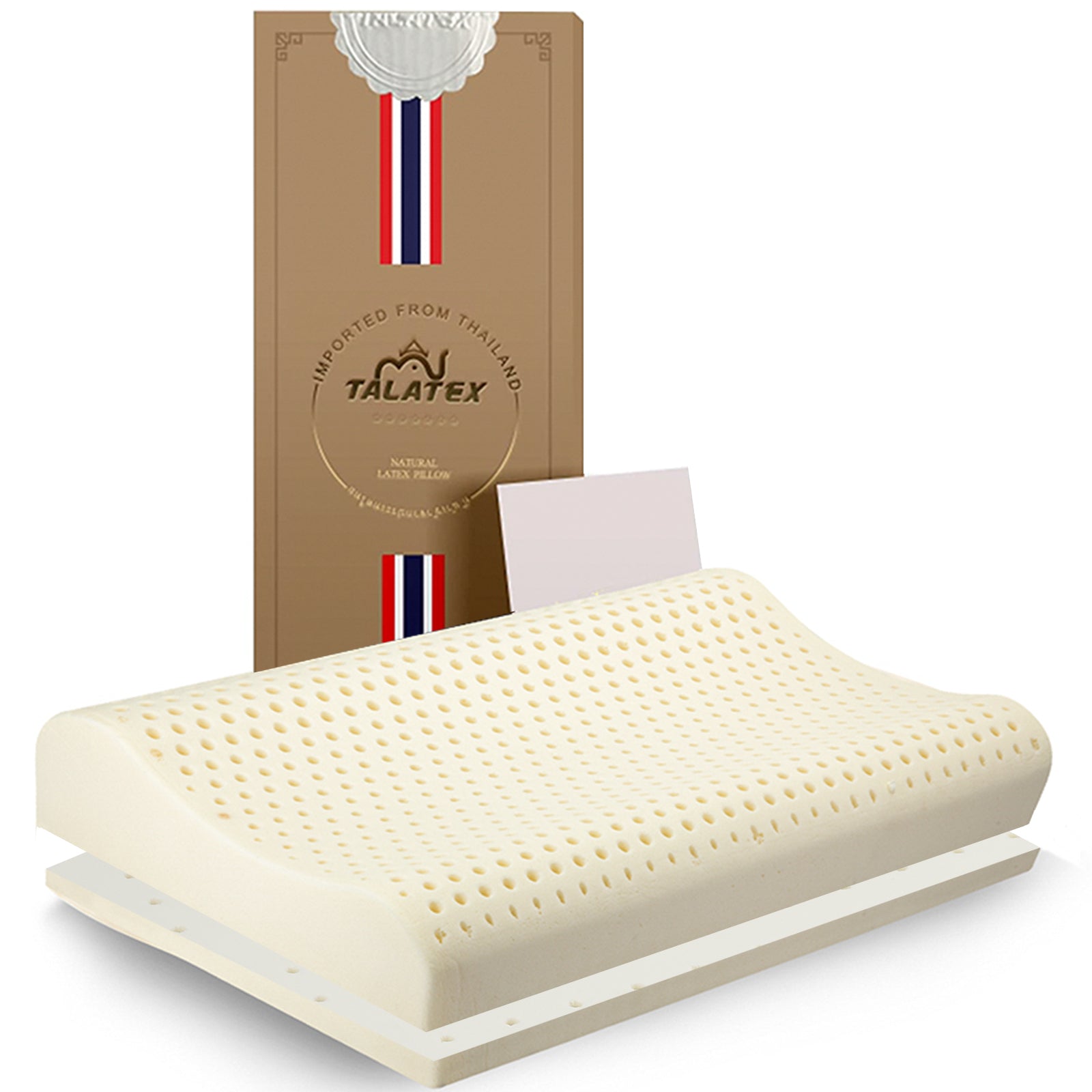
Wenn Sie speziell Nackenstütze suchen, sollten Sie Latexnackenkissen erkunden.