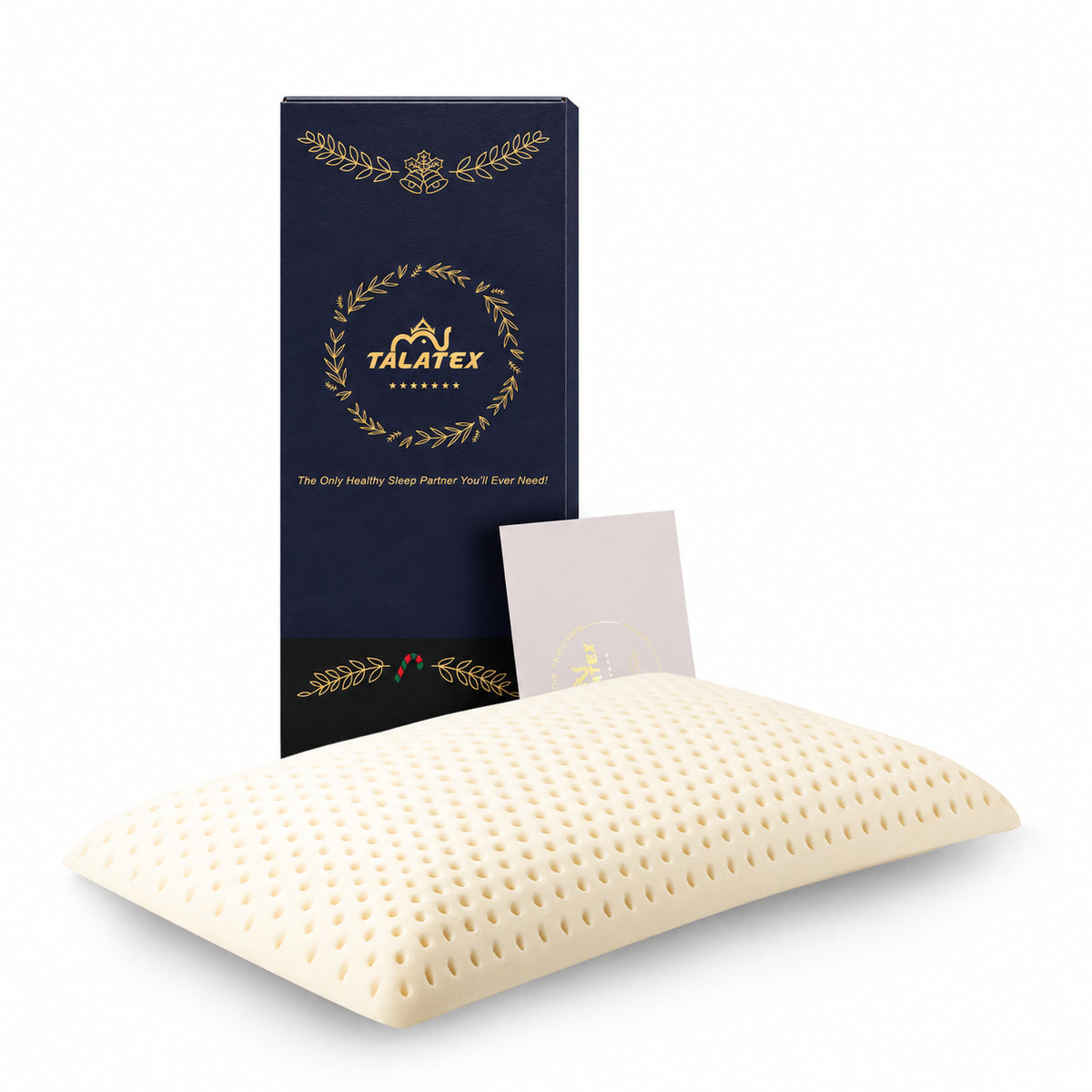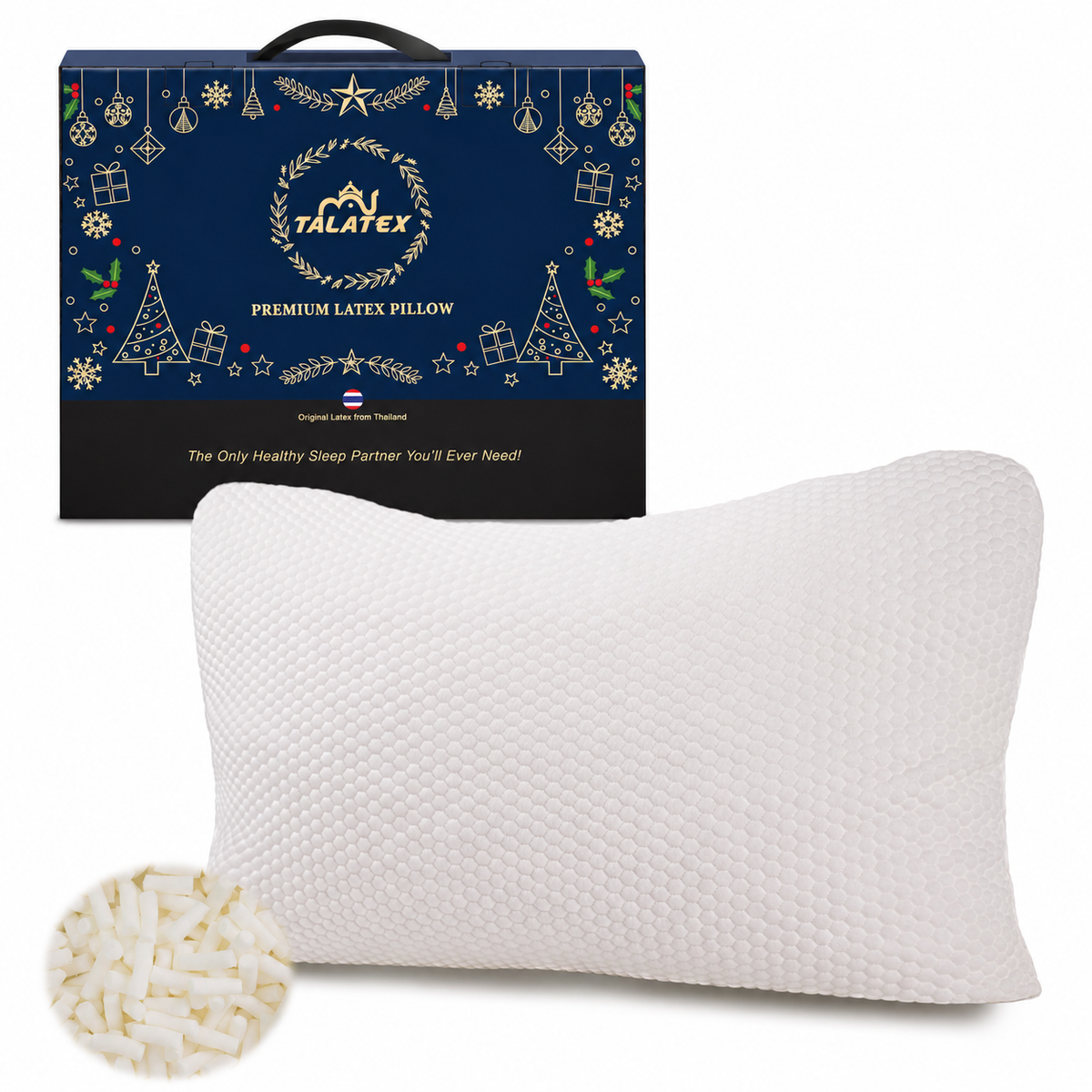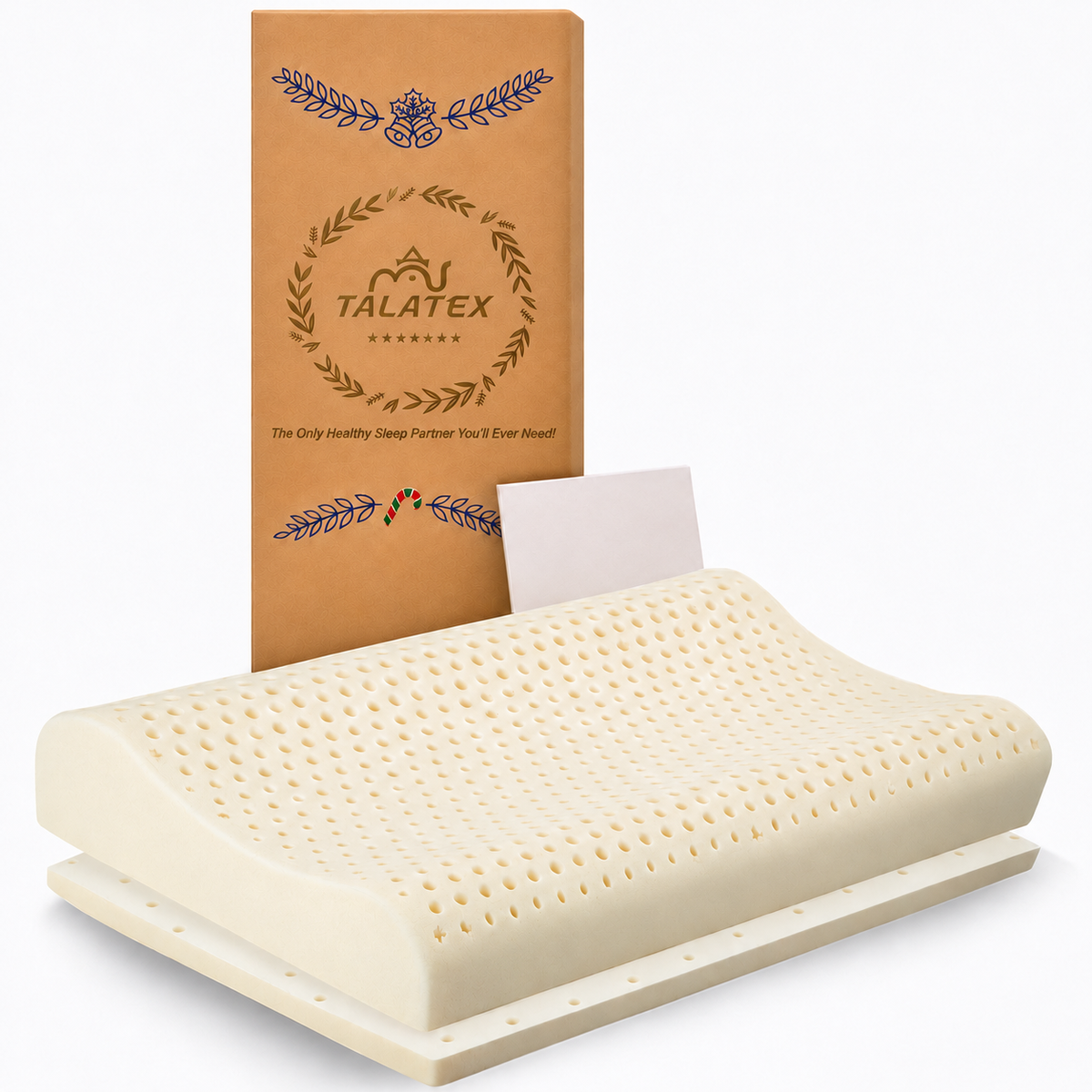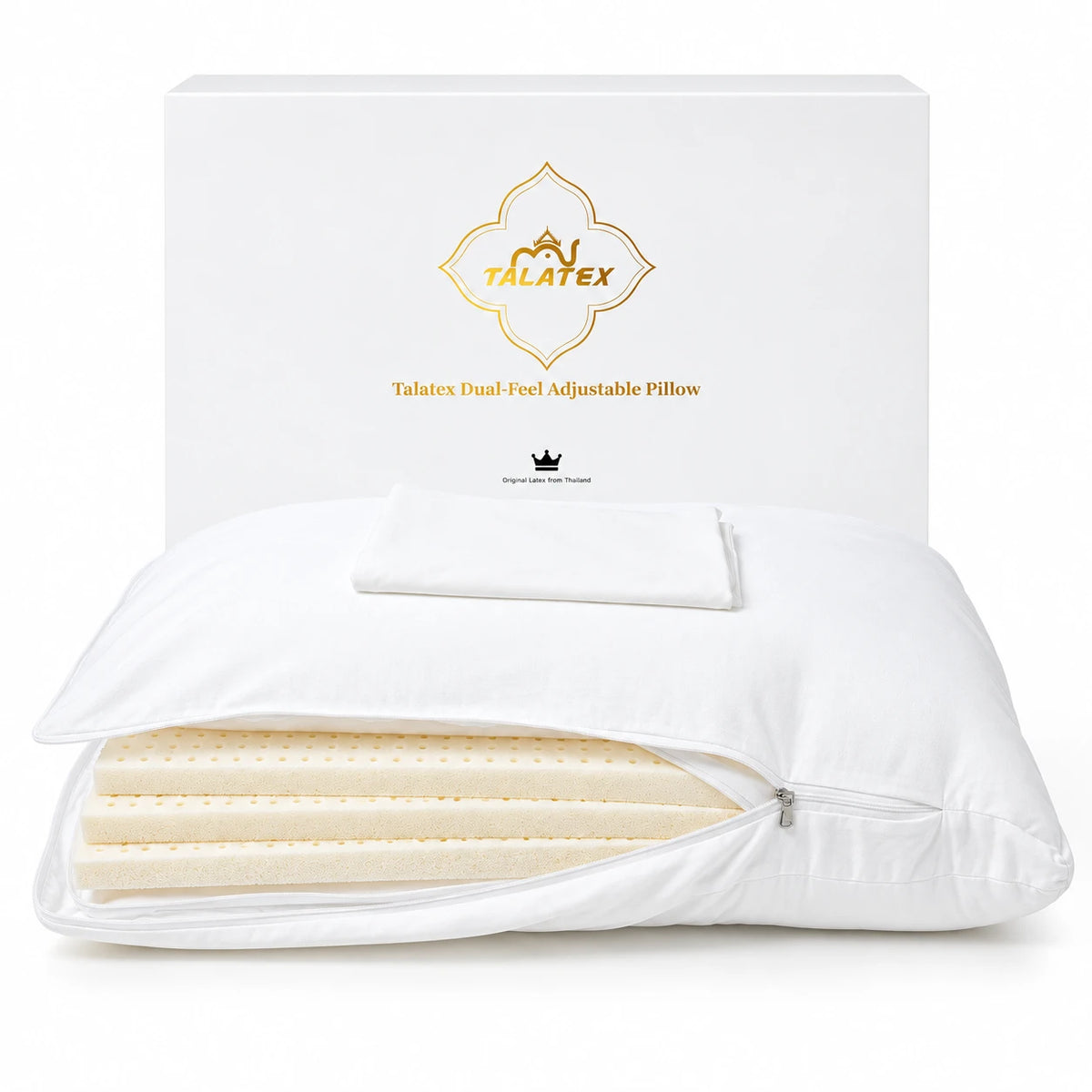








What is The Difference Between Dunlop & Talalay Latex Pillows

What Is the Difference Between Dunlop and Talalay Latex Pillows?

The Secret Recipe To a Good Night’s Sleep Reading What Is the Difference Between Dunlop and Talalay Latex Pillows? 3 minutes Next 10 Natural Way To Wake Up Relax Each Morning

Here, we explain the differences between Dunlop and Talalay latex pillows to help you find the most suitable pillow for you.

The differences between Talalay and Dunlop latex come from how the material is produced and processed, resulting in differences in firmness, resilience, and environmental sustainability.

According to Sleep Foundation, the Dunlop process is simpler, which usually means that Dunlop latex products are cheaper than Talalay latex products. In contrast, the Talalay process is more complex and we will detail it in the following paragraphs, but it produces a softer, lower density latex material that is more comfortable.


How Dunlop Latex is Made


This is the basic flow of Dunlop Latex:

  • The liquid latex extract is mechanically whipped to form a foam
  • Put the foam material into a mold
  • The material is baked in a special oven
  • Remove the baked latex from the mold and wash it thoroughly
  • Bake the material again to remove moisture


The process produces a relatively firm and dense pillow. The material is also not evenly distributed, which results in a “bottom-heavy” composition, where the bottom is firmer than the top.


How Talalay Latex is Made


Here is the innovative production flow:

  • Liquid latex extract is mechanically whipped to form a frothy foam.
  • The foam is injected into the mold; however, the mold portion is only filled partially.
  • The filled mold is vacuum sealed, which causes the latex to expand
  • The filled mold is then snap-frozen, releasing carbon dioxide through the latex.
  • The frozen material is baked to set
  • Remove the latex from the mold, clean it, and dry it


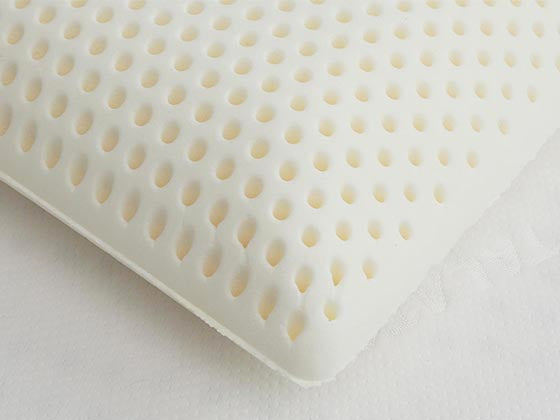
The Talalay process is designed to produce a softer, fluffier latex with a more uniform consistency. The resulting foam is softer and less dense, ideal for comfort layers.


How Dunlop and Talalay Latex Pillows Differ in Use and Feel

  • Durability
Dunlop is generally considered more durable than Talalay latex. This is due to the much higher density of Dunlop. Having said that, pillows made using either process are very durable compared to most other pillow materials.
  • Cost
Dunlop is generally less expensive to manufacture, mainly because the process is much less intensive. This can usually be reflected in the final price of the pillows.
  • Feel
In general, Dunlop latex is firmer and denser than Talalay latex. Typically, this means that Dunlop is for people who prefer a firm pillow, while Talalay is reserved for the top comfort layer, for people who prefer a soft but supportive pillow. In practice, however, both versions can be designed in various firmness levels.
  • Temperature Neutral
Talalay latex is generally more breathable than Dunlop latex because it has a lower density and allows for better airflow. This results in Talalay providing slightly better temperature neutrality in most cases.
  • Environmental Sustainability
In general, latex is considered more sustainable than alternatives such as memory foam, regardless of the manufacturing process. It naturally comes from sustainable sources, is more durable than alternatives, and costs less to the environment in the long run.

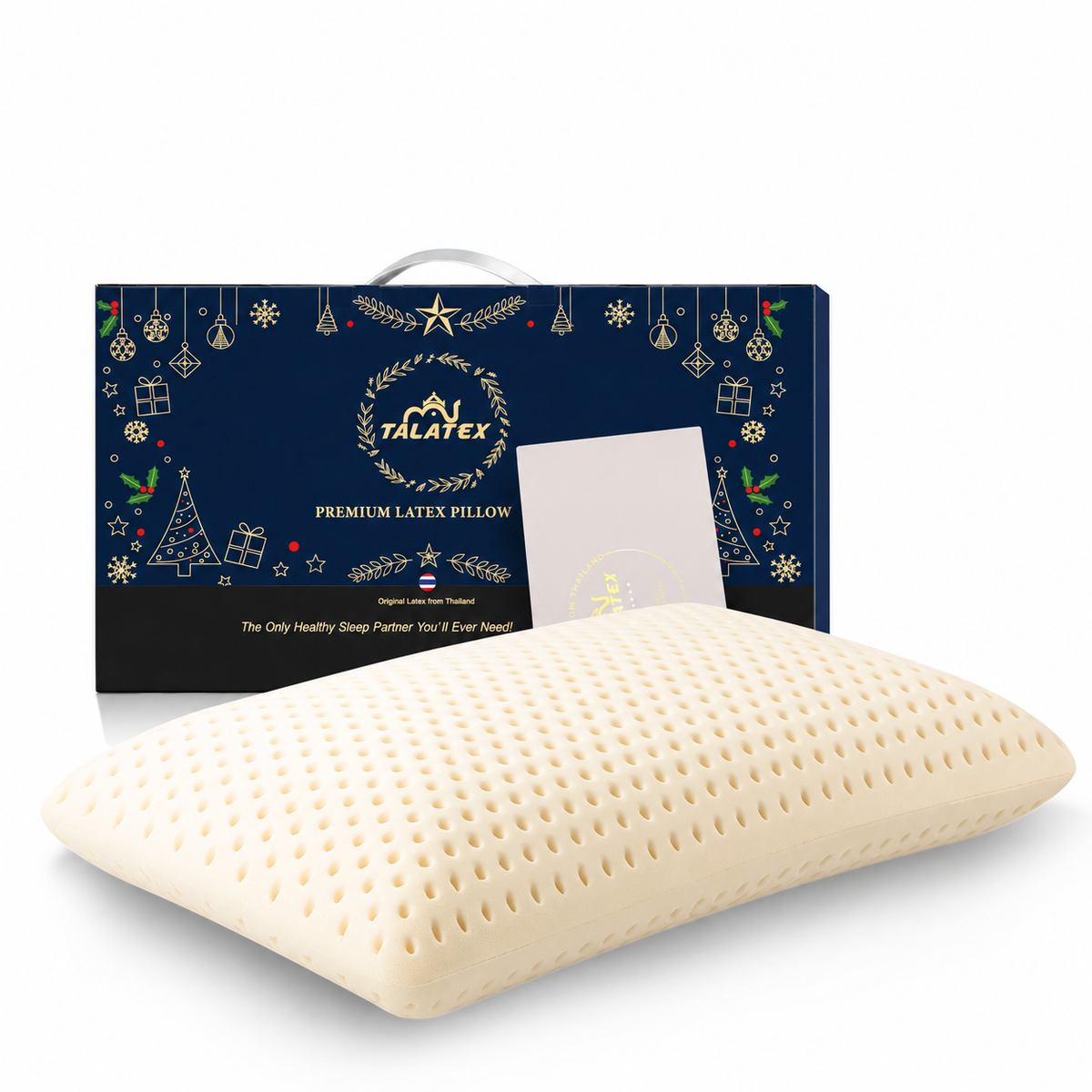
Compare the available sizes and firmness options in our Premium Talalay Latex Pillow and Original Dunlop Latex Pillow.
FAQ

Do you have any other questions?

Latex is a natural material derived from the sap of rubber trees. It is widely used in pillows because it provides excellent elasticity, durability, and breathability. Latex pillows help maintain proper head and neck support, promote spinal alignment, and allow better airflow compared to many traditional pillow materials.

Latex pillows are generally more breathable, durable, and responsive than memory foam pillows. They provide supportive elasticity without trapping heat or sinking too deeply. In addition, natural latex is derived from renewable rubber tree sap, making it a more eco-friendly option compared to petroleum-based memory foam.

Talalay and Dunlop refer to two different processes used to produce latex foam.
Talalay latex is lighter, softer, and more breathable, offering a plush and responsive feel. Dunlop latex is denser and firmer, providing stronger support and durability. Both are made from natural latex but suit different comfort preferences.

Yes. Latex pillows are often recommended for side sleepers because they provide firm yet flexible support that helps keep the head, neck, and spine properly aligned. This support can reduce pressure on the shoulders and neck during sleep.

High-quality latex pillows typically last between 8 to 15 years, depending on the manufacturing process and usage conditions. They tend to maintain their shape and support longer than many synthetic pillow materials.

Latex pillows can help relieve neck pain because they provide consistent support and maintain proper spinal alignment. Their responsive elasticity prevents the pillow from collapsing under weight, helping keep the neck and head in a healthy sleeping position.

Natural latex pillows are considered environmentally friendly because they are made from renewable rubber tree sap and are biodegradable. Many high-quality latex pillows are also produced without harmful chemicals, making them a healthier choice for both sleepers and the environment.

1 comment

Nate

Nate

I have a firm 2" talalay topper, in a zip up cover, that I use on my xl cot. I am considering buying a soft talalay topper to put on top, thinking 1" but all I’ve found are 2". I am also thinking I won’t get a cover for the top soft topper since the bottom one already has one and I’ll put a fitted mattress pad and fitted 100% cotton sheet around both, and also b/c I imagine the firmer bottom of the top cover if I got one would affect the feel and I might enjoy just the soft topper on top of the firm topper with as little material between them as possible. I’m also contemplating if I should try to find a 4" zip up cover to put around both, or keep them separate. Any thoughts on all this? Thanks.

I have a firm 2" talalay topper, in a zip up cover, that I use on my xl cot. I am considering buying a soft talalay topper to put on top, thinking 1" but all I’ve found are 2". I am also thinking I won’t get a cover for the top soft topper since the bottom one already has one and I’ll put a fitted mattress pad and fitted 100% cotton sheet around both, and also b/c I imagine the firmer bottom of the top cover if I got one would affect the feel and I might enjoy just the soft topper on top of the firm topper with as little material between them as possible. I’m also contemplating if I should try to find a 4" zip up cover to put around both, or keep them separate. Any thoughts on all this? Thanks.

Leave a comment

All comments are moderated before being published.

This site is protected by hCaptcha and the hCaptcha Privacy Policy and Terms of Service apply.