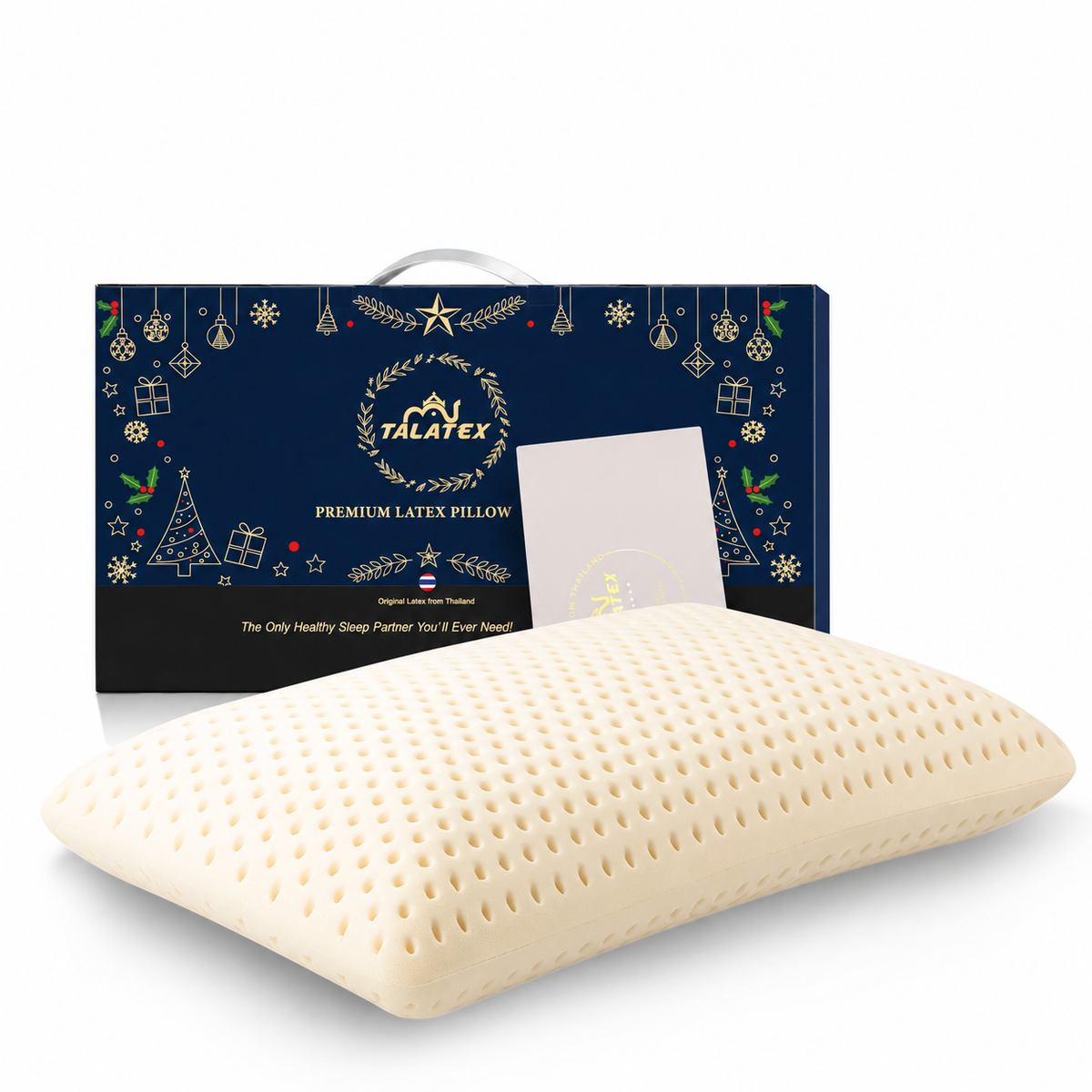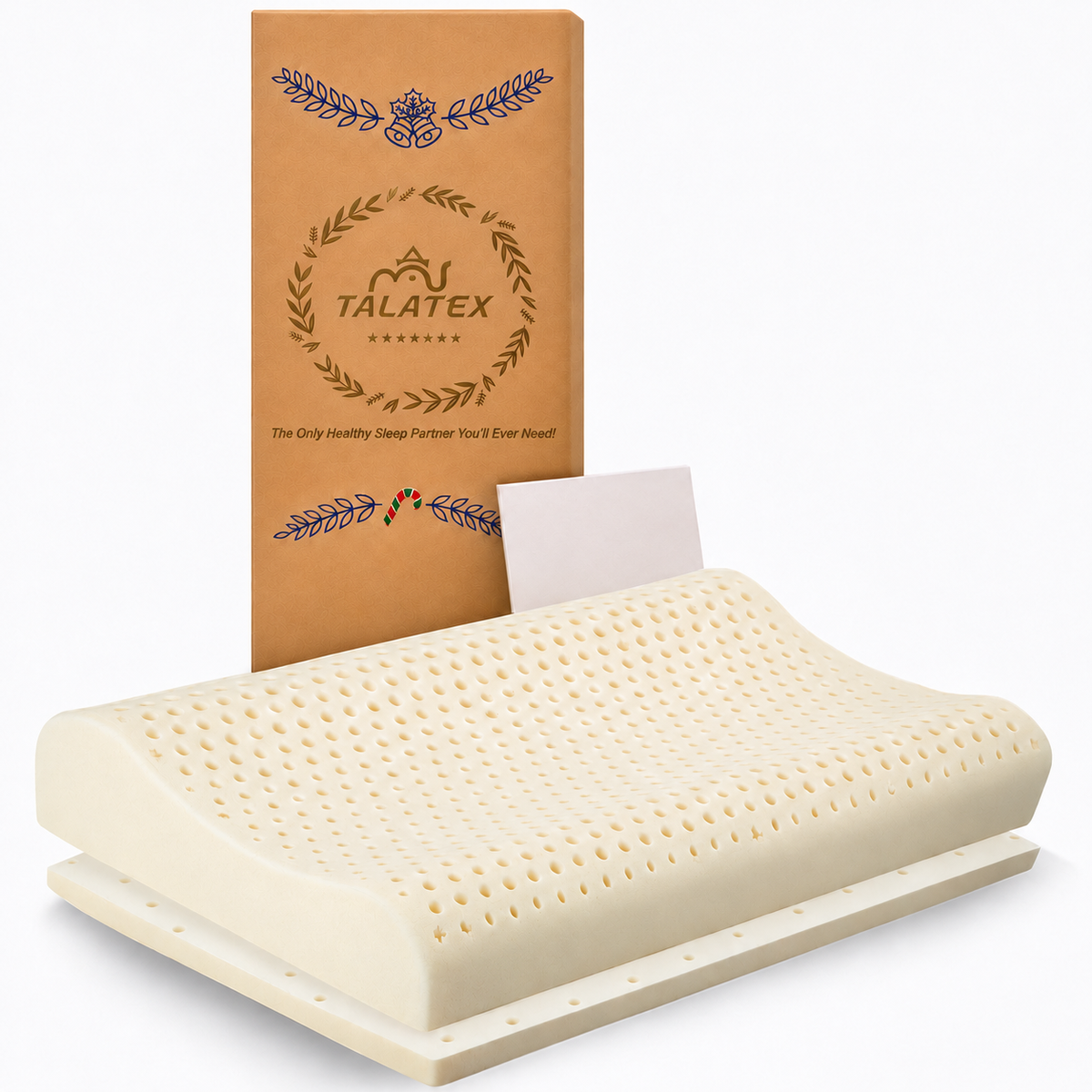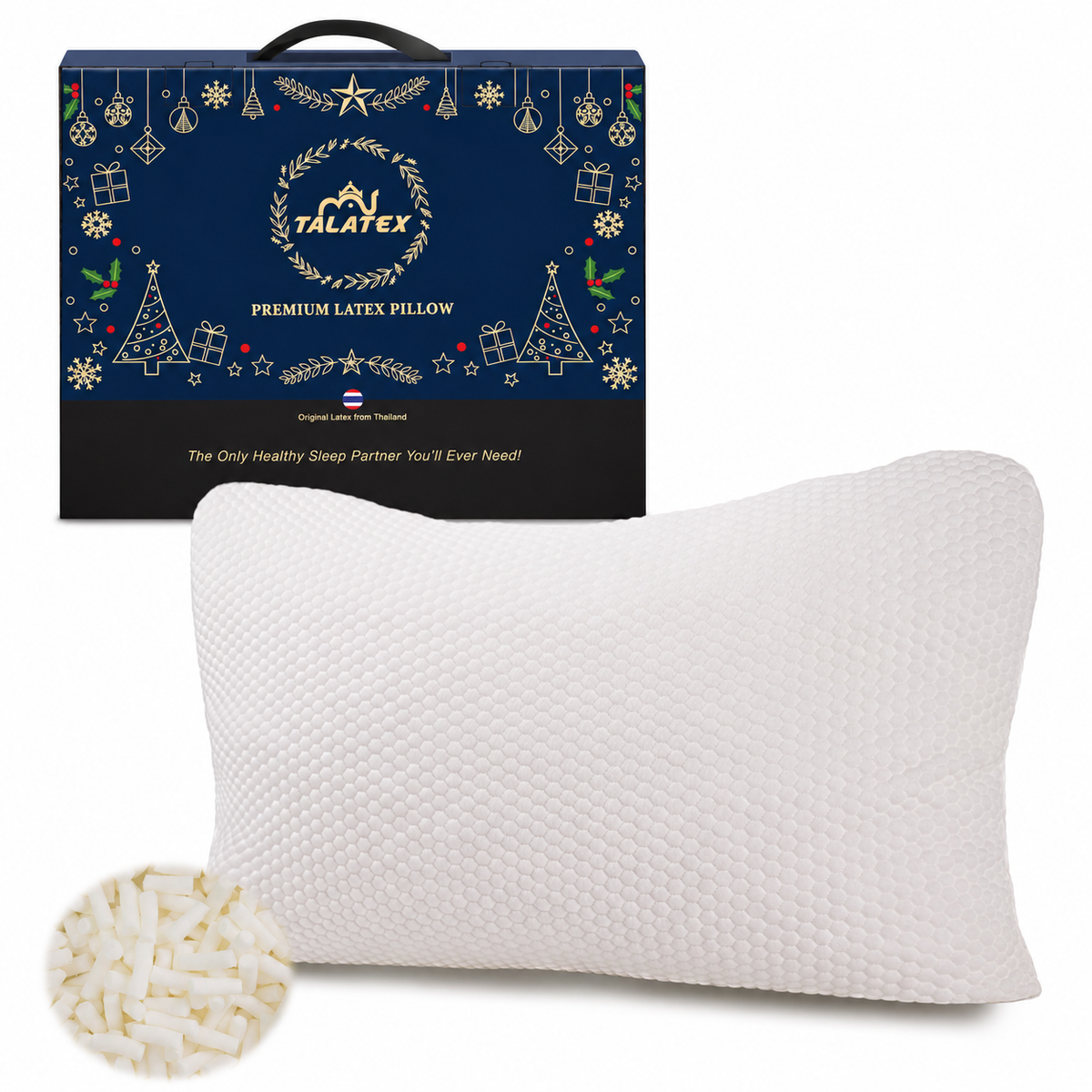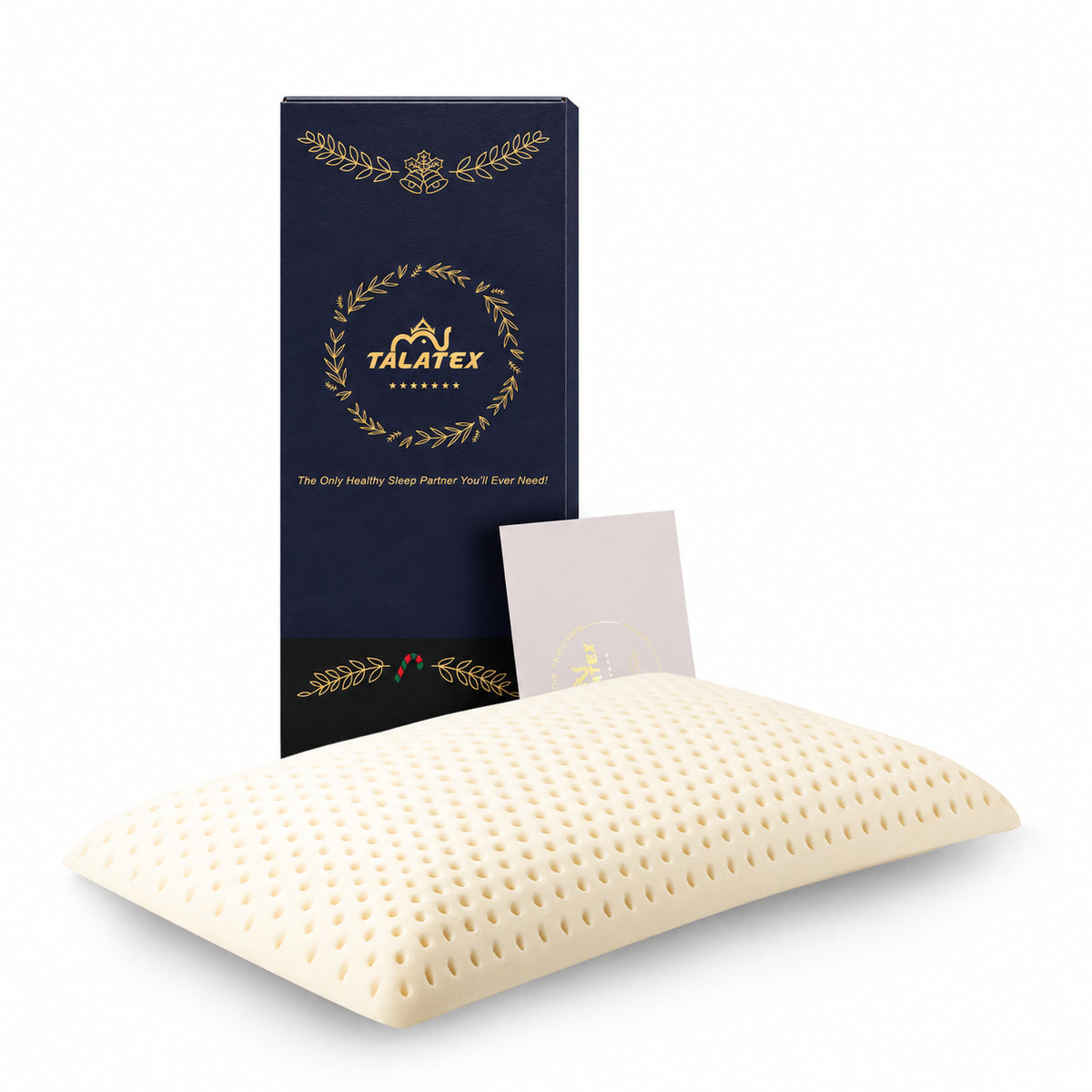









Quick answer: Yes, natural latex can have a mild rubber-like scent, sometimes described as slightly sweet. To help it fade, remove the shipping packaging and air your pillow or topper in a dry, well-ventilated place away from direct sunlight and heat. If the odor is unusually strong, worsens, or comes with dampness or visible damage, stop and contact us. If symptoms develop during use, stop using the product and seek medical advice.
How to air out a latex pillow to reduce odor
- Remove the shipping packaging. Take the pillow out of its plastic wrap soon after delivery. Keep product labels and any packaging needed for a possible support request or return.
- Use a dry, ventilated room. Place the pillow flat where air can move around it. Opening a window can help when weather and indoor humidity make that practical.
- Keep the latex away from direct sunlight and heat. For model-specific care details, see our Premium Talalay Latex Pillow and Original Dunlop Latex Pillow product pages.
- Let the latex core air out. If the removable cover is blocking airflow, follow the model's instructions before removing it. Do not remove a permanent inner liner or alter the core.
- Recheck the product before use. The odor should be trending downward. Also look for dampness, staining, crumbling, unusual deformation, or shipping damage.
For a topper, use the care instructions supplied with that exact model. A topper is larger and harder to handle without tearing. If its instructions are missing or unclear, contact Talatex Customer Support before washing, heating, folding, or hanging the latex.
How long does latex smell last?
For a general idea of what to expect as your product airs out:
- Latex pillows: the new-product scent may become less noticeable over the first few days.
- Latex toppers: the scent may fade gradually over several weeks, sometimes longer.
The time needed varies with the product, time in packaging, airflow, room conditions, and your sensitivity to smell. Look for a gradual reduction as the product airs out.
If the odor becomes stronger, smells unusual, or comes with dampness or visible damage, contact us promptly.
What not to use on latex foam
Trying to mask an odor can create a second problem. Unless the instructions for your exact product say otherwise, do not use:
- perfume, fabric spray, essential oils, or scented powder;
- ozone generators;
- bleach, solvents, harsh detergent, or strong household cleaners;
- a hair dryer, radiator, tumble dryer, or other direct heat;
- prolonged direct sunlight;
- a washing machine or an improvised hot-water treatment for the latex core.
Use ordinary ventilation instead of an ozone generator. Ozone can irritate the airways and damage rubber; see the U.S. EPA's guidance on ozone-generating air cleaners.
For removable pillow and topper covers, our care FAQ recommends a cold, delicate wash and flat drying in a ventilated area. Check the sewn-in label for your cover before washing, and keep care for the cover separate from care for the latex core.
When should you contact Talatex?
Contact our support team when:
- the odor is unusually strong, becomes worse, or does not begin to ease with ventilation;
- the product arrived wet, stained, damaged, or visibly misshapen;
- the smell is musty, burnt, solvent-like, or otherwise different from a new rubber-like scent;
- the sewn-in label and online instructions conflict;
- you are unsure whether a cover, liner, pillow core, or topper can be cleaned;
- you need to document a product issue, return, or exchange.
Use the Talatex contact form or email customerservice@talatexhome.com. We respond within 24–48 hours on business days (Monday–Friday). You can also find phone and WhatsApp contact options on the Contact page.
For faster product support, include your order number, exact product and size, delivery date, when you unpacked it, what the odor resembles, whether it is changing, and clear photos of any visible problem. Do not publish private order information in a blog comment.
What does natural latex smell like?
Natural latex can have a rubber-like, mildly sweet, or simply “new” scent. How noticeable it is depends on the product's formulation, manufacturing and washing processes, time in packaging, size, room conditions, and your sensitivity to smell.
Research on natural rubber materials has identified volatile compounds that contribute to their odor (Bing et al., 2022). For everyday care, focus on how the scent changes as you air the product and whether you notice any dampness, damage, or discomfort.
Why can a new latex product have an odor?
Natural latex foam starts with rubber-tree latex. During manufacturing, latex is compounded and cured, and the finished foam is washed and dried. CDC/NIOSH describes the use of processing chemicals in commercial natural rubber latex manufacturing. A scent can remain in the finished product and become more noticeable when you first open sealed shipping packaging.
Latex allergies and personal sensitivity
Natural rubber latex contains proteins that can cause allergic reactions in susceptible people. A study of latex foam mattresses identified latex allergens in the materials tested (Chardin et al., 1999). Chemicals used in manufacturing can also cause contact reactions (FDA; NIOSH).
If you know or suspect that you have a natural rubber latex allergy, speak with a qualified healthcare professional before using a latex product. Stop using the product and seek medical advice if symptoms occur. Trouble breathing, throat swelling, faintness, or symptoms of a severe allergic reaction require urgent medical attention; the American Academy of Allergy, Asthma & Immunology describes these warning signs in more detail.
Frequently asked questions
Does natural latex smell go away completely?
The scent can fade to the point where you barely notice it. A faint scent may remain, especially if you are sensitive to smells. Keep the product in a dry, ventilated place while it airs out, and contact us if the odor stays strong or becomes unpleasant.
Is latex smell the same as off-gassing?
“Off-gassing” describes volatile substances being released from a material into the air. The rubber-like scent of new latex is one way you may notice this release. Scent strength and health risk are different: risk depends on the substances present, their concentrations and the length of exposure. To help the scent fade, air your pillow or topper in a dry, well-ventilated room using the steps above.
Can I wash the smell out of a latex pillow?
We recommend airing your latex pillow to reduce a new-product scent. Routine washing of the molded latex core, especially just to remove odor, is not recommended. If cleaning is needed, follow your model's care instructions or ask us for help. Removable covers have separate washing instructions on the sewn-in label.
Can I put latex foam in the sun to make the smell fade faster?
No. Keep the latex core in a shaded, well-ventilated place. Direct sunlight and heat can damage latex, so we recommend room-temperature airflow while the product airs out.
Which care instructions should I follow?
Start with the sewn-in label and model-specific care instructions supplied with your product. If those instructions differ from what you see online, contact our support team with your model and order details before cleaning. We can help you choose the right care method.
A note on how this guide was prepared
Calvin prepared this guide using our product and care information and the sources below.
Sources
- CDC/NIOSH: Preventing Allergic Reactions to Natural Rubber Latex in the Workplace
- U.S. Food and Drug Administration: Latex in Cosmetics
- CDC/NIOSH: How to Prevent Latex Allergies
- American Academy of Allergy, Asthma & Immunology: Latex Allergy
- Bing et al. (2022): Deodorizing effects of sepiolite on odorous volatile organic compounds of natural rubber latex films
- Chardin et al. (1999): Protein and allergen analysis of latex mattresses
- U.S. EPA: Ozone Generators that are Sold as Air Cleaners
- CDC/ATSDR: Environmental Odors
About the author
Calvin contributes to Talatex’s website content and SEO, researching latex bedding topics and organizing product and care information into practical guides for readers.